The service life of a steel structure is closely linked to the effectiveness of its corrosion protection system. In applications where replacement or repair is costly, such as bridges, marine facilities, offshore platforms, and industrial installations, selecting a coating system that can maintain reliable protection under continuous exposure is a key part of project planning.
Among various protective coating technologies, inorganic zinc primer is widely selected as a reliable foundation layer for steel corrosion protection. Its zinc-rich formulation allows the coating to provide active protection by sacrificing zinc particles before the steel substrate is affected by corrosion.
Unlike traditional primers that mainly act as a physical barrier, an inorganic zinc primer coating works through a combination of strong adhesion, barrier protection, and cathodic protection. This unique mechanism enables steel structures to maintain better resistance against moisture, salt, and other corrosive elements in demanding environments.
From infrastructure projects to marine engineering and industrial equipment, inorganic zinc primer systems continue to play an important role in extending steel service life. A clear understanding of their protection mechanism, performance characteristics, and application requirements helps engineers, contractors, and coating professionals develop more effective corrosion control strategies.
Steel structures are widely used because of their excellent strength, flexibility, and load-bearing capability. However, steel surfaces are naturally vulnerable to corrosion when exposed to oxygen, water, salt, and industrial pollutants. Over time, corrosion can weaken structural components, increase maintenance requirements, and shorten the service life of valuable assets.
An inorganic zinc primer provides an effective solution by creating a protective layer between steel and the surrounding environment while also offering electrochemical protection. The high zinc content inside the coating allows zinc particles to interact with the steel surface and provide sacrificial protection when corrosion conditions occur.
The effectiveness of an inorganic zinc primer coating comes from its ability to protect steel even under challenging operating conditions. When properly applied, it forms a strong bond with the substrate and provides a durable foundation for additional protective coating layers, making it suitable for long-term corrosion protection systems.
Paints In China provides industrial coating solutions for different steel protection requirements, helping customers select suitable coating systems based on application environments, performance expectations, and project conditions. The available coating solutions can be reviewed through the industrial coating products offered by Paints In China.
The key advantage of an inorganic zinc primer is its cathodic protection mechanism. Zinc is more chemically active than steel, which means it will react first when both materials are exposed to corrosive conditions.
When an inorganic zinc primer coating is applied to a properly prepared steel surface, zinc particles become electrically connected within the coating structure. If moisture or electrolytes reach the coating, the zinc acts as a sacrificial material and corrodes preferentially, protecting the steel substrate from oxidation.
This mechanism is different from conventional barrier coatings that only prevent corrosive substances from reaching the metal surface. Even if minor scratches or small areas of coating damage occur, zinc particles around the damaged area can continue providing protective effects.
Because of this active protection capability, inorganic zinc primer is particularly suitable for structures exposed to severe environments, including coastal areas, offshore facilities, chemical plants, and industrial processing sites where corrosion risks are significantly higher.
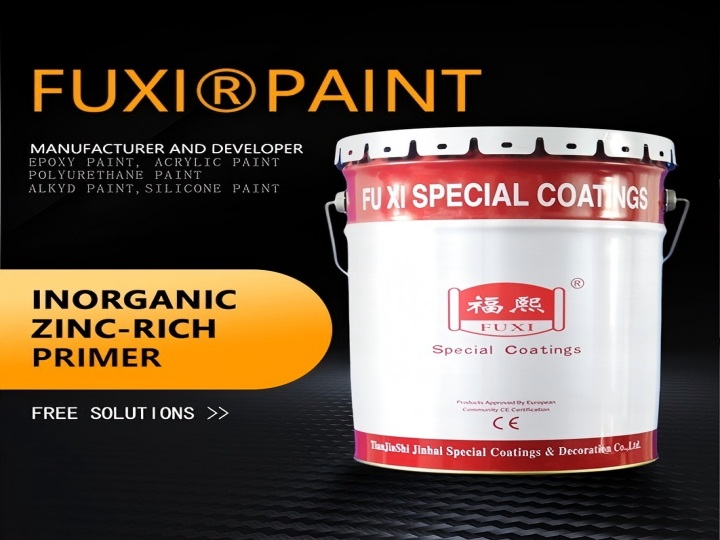
The performance of an inorganic zinc primer coating is determined by more than its ability to block moisture. Its combination of zinc protection, coating adhesion, and environmental resistance makes it a valuable component in advanced steel protection systems.
| Performance Feature | Inorganic Zinc Primer | Traditional Organic Primer |
|---|---|---|
| Corrosion Protection | Provides both barrier protection and cathodic protection through zinc particles | Mainly relies on physical isolation from corrosive elements |
| Adhesion Performance | Creates strong bonding with properly prepared steel surfaces | Depends mainly on resin characteristics |
| Environmental Resistance | Suitable for harsh marine, industrial, and atmospheric environments | Performance varies according to coating formulation |
| Long-Term Maintenance | Can help reduce maintenance frequency when properly applied | May require earlier maintenance in severe environments |
| Coating System Compatibility | Commonly used as a primer layer in multi-coating protection systems | Compatibility depends on coating type |
Another important advantage of inorganic zinc primer is its excellent mechanical durability. When the steel surface is properly prepared, the coating develops strong adhesion that helps prevent common coating failures such as peeling, cracking, and premature deterioration.
In addition, inorganic zinc coatings provide good resistance against weather exposure, industrial atmospheres, and many corrosive conditions. These characteristics make them suitable for projects where coating performance directly affects safety, reliability, and operating costs.
Due to its corrosion resistance and long-term protective performance, an inorganic zinc primer coating is widely used in industries where steel structures face continuous environmental challenges.
Steel bridges are exposed to changing weather conditions, moisture, airborne pollutants, and road salts. Since corrosion can affect structural integrity and increase maintenance costs, protective coating systems often use inorganic zinc primer as a foundation layer to improve durability and extend service intervals.
Marine environments create some of the most aggressive corrosion conditions because of saltwater exposure and high humidity. Offshore platforms, ship components, port facilities, and marine steel structures require coatings that can maintain performance under continuous exposure.
An inorganic zinc primer provides active corrosion protection in these applications by allowing zinc to protect steel through sacrificial action. This makes it an important choice for marine coating systems where reliability and service life are critical.
Industrial plants, storage tanks, pipelines, power generation equipment, and heavy machinery often operate under demanding conditions involving chemicals, temperature changes, and moisture. Using an inorganic zinc primer coating helps create a durable protective foundation for these steel assets.
Although an inorganic zinc primer provides excellent corrosion protection, its final performance depends on proper material selection, surface preparation, application conditions, and maintenance practices.
Surface preparation is one of the most important factors affecting coating performance. Steel surfaces should be properly cleaned to remove rust, oil, dust, and contaminants before applying the primer. A properly prepared surface improves adhesion and allows the coating to achieve its designed protective properties.
The thickness of an inorganic zinc primer coating must be carefully controlled during application. Insufficient coating thickness may reduce corrosion protection, while excessive thickness may affect curing and coating stability.
Temperature, humidity, and ventilation conditions during application can influence coating curing and final performance. Professional application procedures help ensure consistent coating quality and long-term durability.
In many industrial projects, inorganic zinc primer is used together with intermediate coatings and finishing layers to create complete corrosion protection systems. Selecting compatible coating materials improves overall system performance and helps extend the service life of steel structures.
A reliable steel protection strategy requires more than selecting a corrosion-resistant coating. The complete system must consider environmental exposure, substrate conditions, coating compatibility, and expected service life.
An inorganic zinc primer provides a strong foundation for long-term steel protection because it combines physical barrier properties with active cathodic protection. For structures exposed to aggressive environments, this technology helps reduce corrosion risks and improve lifecycle performance.
Choosing an experienced coating supplier is also important for achieving consistent results. Paints In China supports industrial customers with professional coating solutions and technical guidance for different steel protection applications. Customers requiring project-specific recommendations can contact Paints In China to discuss suitable coating options with the technical team.
An inorganic zinc primer is a proven solution for protecting steel structures against corrosion, especially in applications where long-term durability and reduced maintenance are important. Its zinc-based cathodic protection mechanism allows it to actively protect steel surfaces rather than simply creating a protective barrier.
From bridges and marine structures to industrial equipment and heavy steel facilities, an inorganic zinc primer coating provides reliable corrosion resistance and supports longer service life. When combined with proper surface preparation, professional application, and a suitable coating system, it becomes an effective strategy for protecting valuable steel assets in demanding environments.
Inorganic zinc primer is a zinc-rich protective coating designed to protect steel through barrier protection and cathodic protection. It is commonly used for steel structures exposed to demanding environments.
It protects steel through zinc sacrificial action. Zinc particles corrode before the steel substrate, reducing the risk of steel oxidation.
It is widely used in bridges, offshore structures, marine facilities, industrial plants, pipelines, storage tanks, and heavy equipment.
Conventional primers mainly provide barrier protection, while inorganic zinc primer provides active cathodic protection through zinc particles.
Yes. Proper surface preparation is essential to achieve strong adhesion and ensure long-term coating performance.
The service life depends on environmental conditions, coating thickness, application quality, and maintenance. Properly applied systems can provide long-term corrosion protection.


 English
 français
 Deutsch
 Español
 italiano
 русский
 português
 العربية
 tiếng việt
 Polska
 Ελλάδα