Protecting structures that operate below the waterline requires a different approach from conventional surface coating applications. Once steel, concrete, or industrial equipment is continuously exposed to water, the coating system must withstand not only corrosion risks but also immersion pressure, chemical exposure, abrasion, and biological attachment.
The performance requirements of these environments have driven the development of advanced Underwater Coatings designed specifically for submerged applications. These coatings are formulated to maintain strong adhesion and protective performance even when direct access for maintenance is limited, helping extend the service life of marine and industrial assets.
Among various underwater protection technologies, Underwater Epoxy Paint is widely recognized for its excellent bonding strength, water resistance, and durability in immersion conditions. Its ability to create a dense protective layer makes it suitable for applications such as ship components, offshore structures, pipelines, storage tanks, and other equipment exposed to continuous water contact.
Understanding the different types of Underwater Coatings, their performance characteristics, and application requirements allows engineers and project owners to select a more effective protection system. This article explores the major underwater coating technologies used in marine and industrial environments and explains how they contribute to long-term corrosion control and asset protection.
Marine and industrial structures often face some of the most challenging operating conditions because they remain in constant contact with water. Seawater contains salts and minerals that accelerate corrosion, while industrial water systems may introduce chemicals, contaminants, and temperature variations that can gradually damage unprotected surfaces.
Underwater Coatings are specially designed to address these challenges by creating a durable protective layer between the substrate and the surrounding environment. Unlike standard coatings intended for atmospheric exposure, underwater coating systems must maintain adhesion and stability during prolonged immersion.
For marine applications, effective underwater protection is essential for ship hulls, offshore platforms, underwater pipelines, docks, and port facilities. In industrial environments, these coatings are commonly used on water storage tanks, wastewater treatment equipment, submerged steel structures, and machinery exposed to moisture.
The primary purpose of Underwater Coatings is not only to prevent visible corrosion but also to reduce long-term maintenance requirements. A properly selected coating system helps protect valuable assets, minimize downtime, and improve the overall reliability of structures operating in wet environments.
Paints In China provides industrial coating solutions for various protection requirements, helping customers choose suitable products according to substrate type, environmental conditions, and expected service performance. The available solutions can be explored through the industrial coating products from Paints In China.
Immersion-grade coatings are developed specifically for structures that remain underwater for extended periods. Since these applications are difficult to inspect and maintain after installation, coating durability and reliability are critical factors.
Underwater Epoxy Paint is one of the most commonly selected solutions for immersion environments because epoxy resin provides excellent adhesion, low water absorption, and strong resistance against chemical and mechanical stress. When applied correctly, it forms a dense protective film that helps prevent water penetration and protects the underlying material.
For marine equipment and submerged structures, Underwater Epoxy Paint can be used on steel surfaces, pipelines, tanks, underwater components, and other assets requiring long-term protection. Its strong bonding characteristics allow it to maintain coating integrity even under continuous exposure.
The final performance of immersion-grade coatings depends on several factors, including surface preparation, application quality, curing conditions, and environmental exposure. Proper coating selection and professional application are essential to achieve the expected service life.
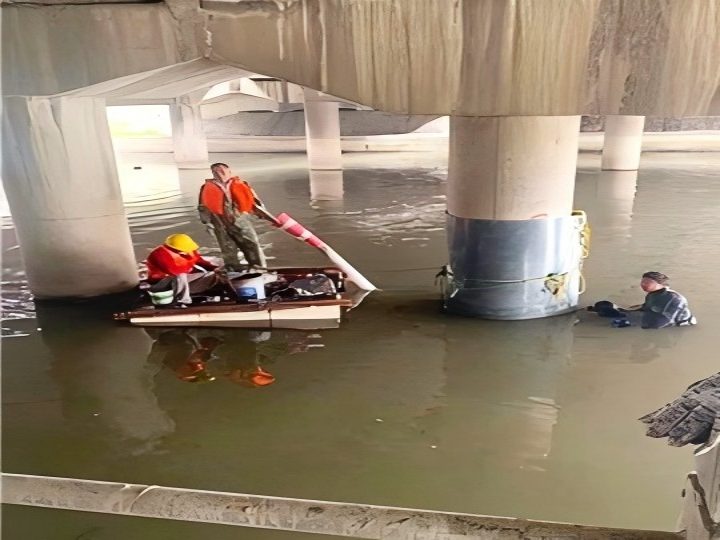
Corrosion control is one of the most important functions of Underwater Coatings. When metal structures are submerged, water provides an environment where electrochemical corrosion processes can continue over time. Without proper protection, corrosion may reduce material strength and increase repair costs.
A high-performance underwater coating system works by limiting the contact between the substrate and corrosive elements such as oxygen, moisture, and salts. Advanced formulations also improve resistance against abrasion, impact, and chemical exposure.
Underwater Epoxy Paint is especially valued in corrosion protection applications because of its strong adhesion and resistance to water and chemicals. These characteristics make epoxy-based systems suitable for marine structures, industrial facilities, and submerged equipment where long-term protection is required.
Different corrosion environments may require different coating technologies. Factors such as seawater exposure, immersion depth, operating temperature, and substrate condition all influence the selection of the most suitable underwater protection system.
In marine environments, corrosion is not the only challenge. Biological organisms such as algae, barnacles, and other marine growth can attach to underwater surfaces, increasing maintenance requirements and affecting operational efficiency.
Antifouling Underwater Coatings are designed to reduce biological attachment and help maintain cleaner underwater surfaces. They are widely used on vessels, marine equipment, and offshore structures where controlling marine growth is important.
Functional underwater coating systems may also provide additional properties, including improved wear resistance, chemical protection, and enhanced durability. In many marine applications, corrosion protection and antifouling performance are combined to create a more comprehensive coating solution.
The selection of functional underwater coatings depends on the specific operating environment. A coating designed for a ship hull may have different requirements from one used on industrial water equipment or offshore structures.
| Coating Technology | Main Characteristics | Typical Applications | Performance Advantages |
|---|---|---|---|
| Underwater Epoxy Paint | High adhesion, excellent water resistance, strong chemical durability | Submerged steel structures, pipelines, tanks, marine equipment | Reliable corrosion protection and long-term immersion performance |
| Polyurethane Underwater Coatings | Flexible film formation and good surface durability | Marine equipment and protective finishing layers | Good mechanical resistance and environmental performance |
| Zinc-Based Protective Coatings | Zinc-rich formulation with sacrificial protection properties | Steel structures and industrial facilities | Provides active corrosion protection for steel substrates |
| Antifouling Coatings | Designed to reduce marine organism attachment | Ships, vessels, offshore structures | Improves underwater surface efficiency and reduces fouling maintenance |
Each underwater coating technology serves a different purpose. While antifouling coatings focus on controlling biological growth, Underwater Epoxy Paint is mainly selected for applications requiring strong adhesion, corrosion resistance, and long-term immersion protection.
In many industrial projects, multiple coating technologies may be combined to create a complete protection system. The choice depends on the required performance, environmental conditions, and maintenance strategy.
Selecting suitable Underwater Coatings requires careful evaluation of the application environment and performance requirements. A coating that performs well in one underwater condition may not provide the same results in another environment.
The type of substrate plays an important role in coating selection. Steel, concrete, and other materials have different surface characteristics and preparation requirements. Proper surface treatment improves adhesion and helps the coating achieve better durability.
Freshwater, seawater, and chemically aggressive industrial water environments create different protection challenges. Factors such as salinity, temperature, chemical exposure, and immersion duration should be considered before selecting a coating system.
Projects requiring extended service intervals usually need high-performance coating solutions. Underwater Epoxy Paint is often selected for applications where long-term immersion resistance and corrosion protection are priorities.
Even high-performance coatings require correct application to achieve their designed performance. Surface preparation, coating thickness, curing conditions, and application methods all influence the final result.
Paints In China supports customers with professional coating recommendations based on project requirements and operating conditions. For specific application advice, customers can contact Paints In China to discuss suitable underwater protection solutions.
Selecting the right underwater coating system is essential for protecting marine and industrial structures exposed to continuous water environments. High-quality Underwater Coatings help prevent corrosion, improve durability, and reduce maintenance requirements for valuable assets.
Among different coating technologies, Underwater Epoxy Paint remains a widely used solution because of its excellent adhesion, water resistance, and long-term protection capabilities. Whether applied to marine equipment, offshore structures, pipelines, or industrial facilities, the right coating system helps improve reliability and extend service life.
By understanding the characteristics of different underwater coating technologies and considering factors such as environment, substrate, and performance requirements, engineers and project owners can develop more effective protection strategies for submerged applications.
Underwater Coatings are protective coating systems designed for submerged or high-moisture environments. They help protect marine and industrial structures from corrosion, water damage, and environmental exposure.
Underwater Epoxy Paint is commonly used for submerged steel structures, marine equipment, pipelines, storage tanks, and industrial surfaces requiring strong corrosion protection.
Underwater coatings create a protective barrier that reduces contact between the substrate and corrosive elements such as water, oxygen, and salts.
Yes. Underwater coatings are widely used for industrial equipment, water treatment facilities, submerged pipelines, storage tanks, and other moisture-exposed applications.
Performance depends on coating selection, surface preparation, application quality, immersion conditions, and maintenance practices.
Epoxy coatings provide strong adhesion, excellent water resistance, and good chemical durability, making them suitable for long-term protection in submerged environments.


 English
 français
 Deutsch
 Español
 italiano
 русский
 português
 العربية
 tiếng việt
 Polska
 Ελλάδα